


Hugging your cat can be a delightful experience for you and your furry friend. However, it’s essential to understand cats’ preferences, boundaries, and strong personalities when it comes to physical affection. Young kittens will often learn to enjoy hugs more quickly than older adult cats. According to PetMd.com, some feline breeds may be more easygoing than others, including the Ragdoll, Scottish Fold, and Sphynx, and enjoy handling or hugging instead of merely “tolerating” it.
By learning how to properly hug your cat (aka “the art of cat hugging”) and paying attention to her body language, you can ensure that every cuddle session is pleasant for you both.
- Respect Your Cat’s Space
Before attempting to hug your cat, respecting their personal space is crucial. Cats are independent creatures and may not always be in the mood for cuddling. Please pay attention to your cat’s body language to gauge their willingness to engage in physical affection. Signs that your cat may be receptive to hugging include:
- Purring.
- Kneading; and
- Rubbing against you.
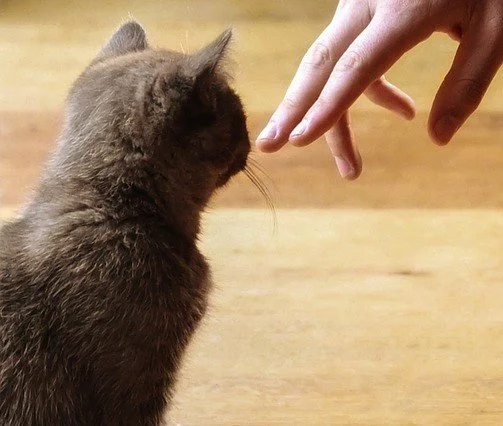
- Approach Slowly and Gently
When your cat is relaxed, approach him slowly and gently. Avoid making sudden movements or looming over him, as this can be perceived as threatening. Instead, crouch down to their level and slowly extend your hand for them to sniff. This allows your cat to feel comfortable and in control of the interaction.
- Offer a Gentle Hug
Once your cat has indicated she is open to affection, you can attempt a gentle hug. Start by lightly wrapping your arms around your cat’s body, careful not to restrict their movement or apply too much pressure. Some cats may enjoy being hugged close to your chest, while others prefer a more loosely held embrace.
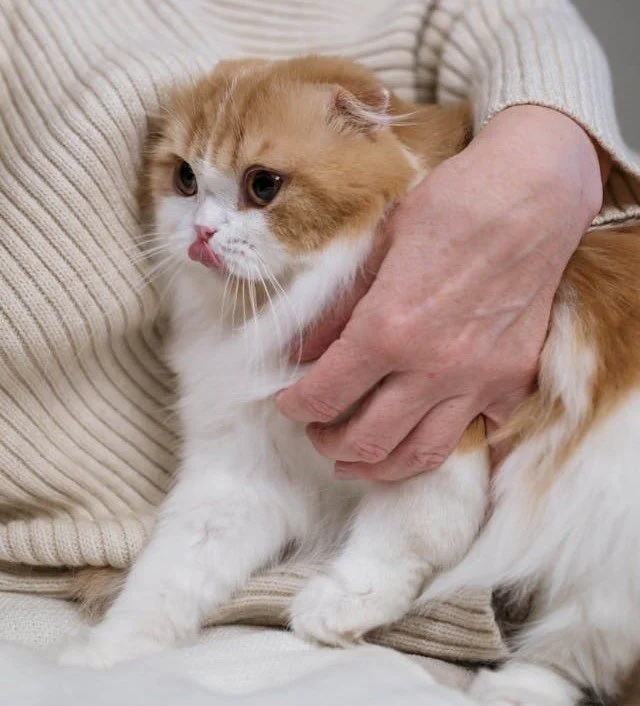
- Pay Attention to Body Language
While hugging your cat, pay close attention to their body language to determine if they are enjoying the experience.
Signs of comfort and contentment include relaxed muscles, purring, and kneading with their paws.
Conversely, if your cat starts to squirm, vocalize, pant, or exhibit signs of distress, such as flattened ears or dilated pupils, release him immediately and give them space.
Decoding Cat Body Language (Cat Care Society)
- Respect Your Cat’s Limits
Every cat is unique, and what one cat may enjoy, another may dislike reveals Catster.com. Regarding physical affection, respecting your cat’s individual preferences and limits is essential. If your cat consistently shows signs of discomfort or avoidance during hugging, finding alternative ways to bond, such as interactive play or grooming sessions, is best.

Nurturing Bonds Through Understanding
Hugging your cat can be an excellent way to strengthen your bond with your furry feline. By approaching with patience, sensitivity, and respect for your cat’s boundaries, you can create moments of warmth and connection you and your cat will cherish.
Remember:
- Always pay attention to your cat’s body language and cues, and
- Always be willing to adapt your approach based on their reactions and preferences.
With time and practice, you’ll understand your cat’s unique personality and how to provide them with the love and affection they crave.